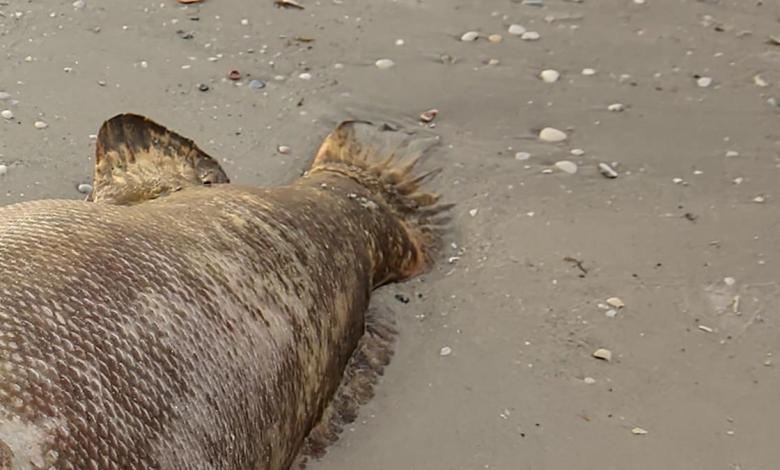
Scientists have found an unsettling discovery in the stomachs of deep-sea fish that have washed ashore on Oregon Beach.
What happened?
Back in April, the Seaside Aquarium published a Facebook post announcing the washing of long North fish on nearby beaches. Long snake-shaped fish, fang-filled mouths are known as food for predators such as sharks, tuna and other longnose willowfish. This special fish is about five feet long.
The post also shares photos found by researchers when analyzing the content of fish stomach. They found standard items for fish diets, such as fish and squid. But they also found something even more sinister: plastic fragments.
“We also know that they are not picky eaters,” the seaside aquarium wrote. “It is well known that they can eat more than 90 different kinds of marine life, including each other, unfortunately attracted by plastic.”
How to destroy plastic?
This discovery reinforces what is already known: plastic pollution is an invasive force. In 2019, Oregon conducted microplastic testing on its iconic lakes and rivers. Microplastics were found to be present in 100% of the samples tested.
Intake of microplastics can have a serious impact on the health of marine animals. They can delay animal development, cause reproductive problems, and make it difficult for animals to resist disease.
Watch now: Giant Snail Invading New York City?
Although microplastics cause harm to marine life, another shocking threat is to human health. It is well known that exposure to microplastics can cause problems with human reproductive, immune and nervous system, as well as many other negative health effects.
What are the methods for plastic pollution?
States are quickly aware that the damage plastics can cause exceeds environmental damage. In 2021, Oregon lawmakers passed the Plastic Pollution and Recycling Modernization Act, which aims to update the state’s outdated recycling system.
The battle against plastic pollution begins at home. Reducing plastic use is the best way to ensure that plastic does not end up trapping in landfills or contaminating waterways.
Join our free newsletter Good news and Helpful tipsand don’t miss this simple way to help the planet.