

By Drew Dietsch | publishing
Hey, everyone, brings Dietsch to the giant Freakin robot and digs into past movie failures again. Naturally, since I was in charge of this, we were going back to the 90s and back to the world of science fiction franchise.
Not only any sci-fi franchise, we've covered it on this channel before. Because we looked at the performance and reputation Alien 3it feels natural to check the last one alien The film features Ellen Ripley and Sigourney Weaver.
Well, not exactly Ellen Ripley.
It's time to explore why Alien resurrection Failed.
How Alien 3 affects the recheck of the aliens
Before we talk Alien resurrectionlet's go back to the ending of 1992 Alien 3. Ellen Ripley sacrificed himself to eliminate antagonistic alien species once and for all. It's a bold ending that aims to end the story, but right Alien 3 Many fans at the time were not completely warm.
But, even if things are considered to be wrapped Alien 3there are always ideas on how to bring Ripley back. Producer David Giler even told Sigourney Weaver how to do it at the Alien 3 Wrap Party.
Fast forward a few years and 20th Century Fox invites Joss Whedon to write the script for the fourth alien Movie. Initially, the idea was to clone the character newt alien Who died from the beginning Alien 3. This new Newt will be the successor to Ellen Ripley. However, the studio was then able to negotiate with Sigourney Weaver, the idea of the new character being Ripley's clone came.
The weaver will also be a co-producer Alien resurrection She has a lot of creative control over her portrayal of Ripley 8, a clone whose DNA merges with her inner Queen Alien. Similarly, we find that Queen Aliens take over human DNA from Ripley and transform into this big, pleasant, big puppet.
Alien resurrection costs a lot of money
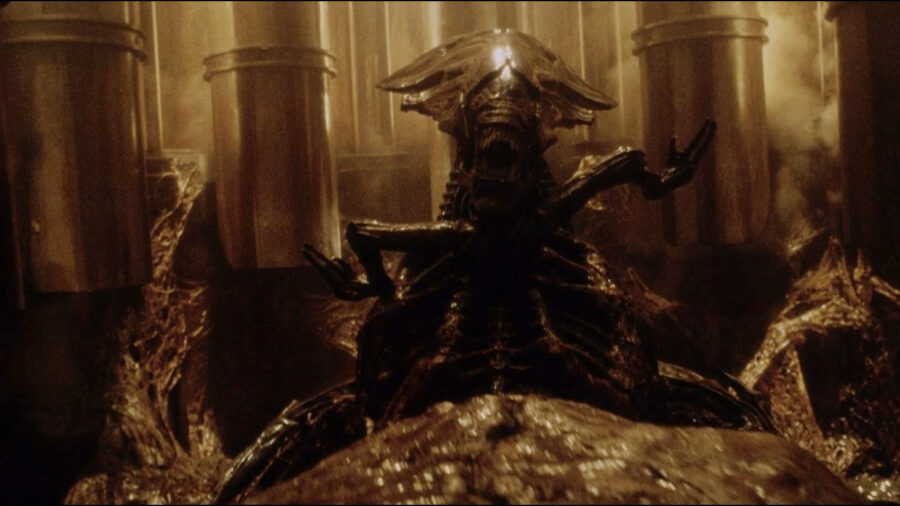
Alien resurrection There are a lot of big, pleasant and rough things inside. There is no doubt that when you watch a movie, the $70 million budget reported in the movie is on the screen. These collections and effects are by far some of the most refined ones made in the main production room, including I still can’t believe they are actually built underwater tank sets.
In addition to this luxurious work, the actors include many genre favorites such as Ron Perlman, Dan Hedaya, Michael Wincott, Brad Durif breaking Bad,Appear.
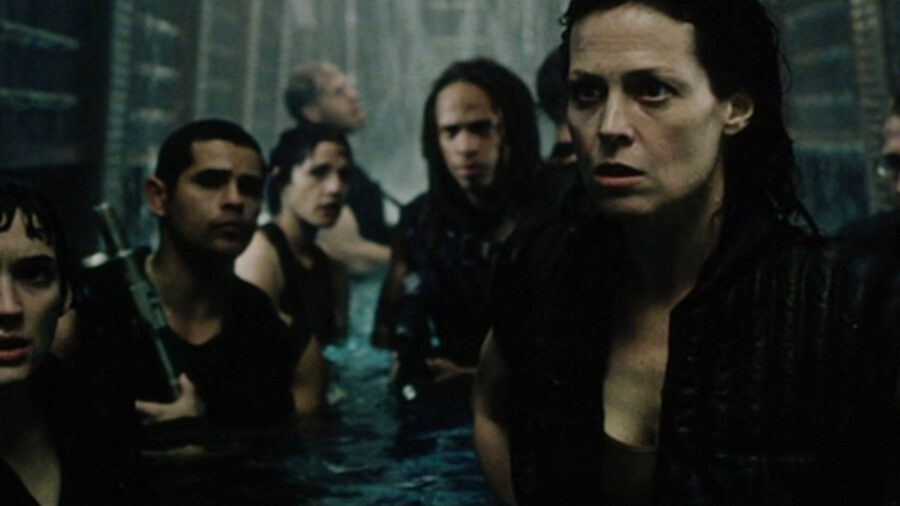
But it's very big Alien resurrection It's Winona Ryder, who was cast as an Android phone, will eventually have some very intense and charging scenes with Sigourney Weaver.
All of these factors seem to work well on their own alien Movie. Just for record, so everyone can joke with me in the comments, I like Alien resurrection. Let's go back to this later.
A very different director

But why Alien resurrection The director Jean-Pierre Jeunet, who is associated with it, is not that popular. Jeunet once named itself with dark humorous sci-fi features Delicatessen and The city of lost childrenboth movies should be absolutely checked.
Alien films have always been directed by directors, with a strong vision behind them, and Junitt is no exception. With the support of Sigourney Weaver, Jeunet was allowed to play Alien resurrection To some extent, it seems to be against the original intention of the script. So you sometimes have the first movie in a movie that is sometimes legal. The weirdness of this tone is not very good for fans.
Not to mention the overall weird nature of the story and characters. We have a quirky space mercenary ragtag convention – Well, Joss Whedon wrote this, you said? – A new clone Ripley turns between mysterious danger and stupid stupidity. Then, thanks to Ripley's human DNA stuff, you'll have brand newborn aliens born from Queen aliens, and it's hard not to call Alien resurrection A mad asylum.
The madness of aliens resurrection
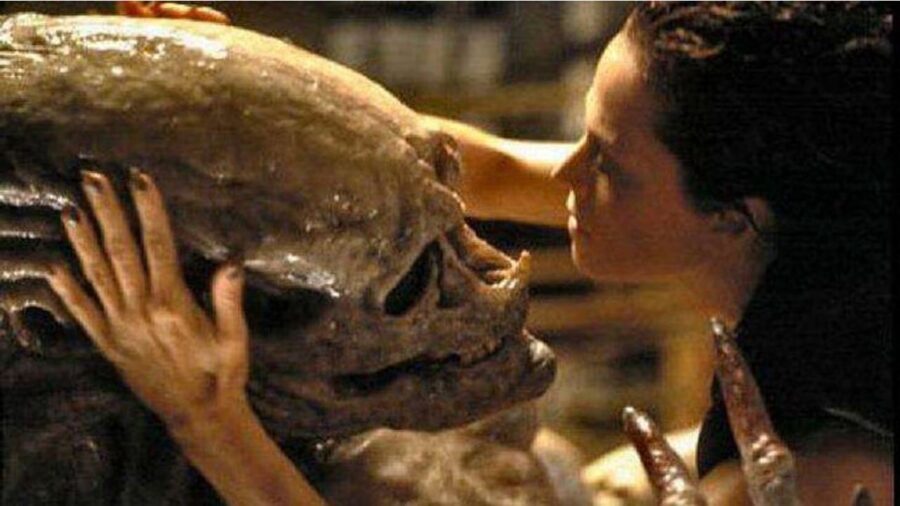
But, like I said, I like insanity and over-high choices Alien resurrection. Feeling that people may be right alien The movie is more like one of the more dark horse comic stories there.
But, I know I'm a minority and most people hate this movie because “fun” shouldn't be in alien Franchise. I guess those people absolutely love Alien: romulus It's nothing more than a clumsy Disney theme park, traveling through the team's greatest hits.
anyway, Alien resurrection Gived all the glitz and charm from Studio Tentpole releases, but those nasty fans Alien 3 Because I was too clumsy and killed Ripley, I'm angry now alien The movie is fun and brings Ripley back. I think professional wrestler Bryan Danielson is better off summing up all fans and their needs in one word: fickle.
Box office blues

Alien resurrection Thanks to Jeunet's involvement, it was released in France early in France, and eventually brought most of its box office to the box office through the International Markets, a less than $113 million. But when the film was released on the 1997 Three-Day Thanksgiving Weekend, it ranked second in the $16 million opening ceremony. What's even more embarrassing is that it lost the first place Flubber.
I don't care if you've seen this movie and love Robin Williams like me Flubber Sorry, especially compared to a movie, a mutated alien-human hybrid is sucked into space while screaming, “Oh, no!”
fail Alien resurrection At the box office, of course, it is due to the diminishing nature of the franchise movies, but it is also because it is not the experience most moviegoers look for in their sci-fi blockbusters. Just four months ago Black man It once dominated the diverse cars and offered new alien adventures. Alien resurrectionno matter how expensive and gorgeous it looks, for many people, it feels like an old hat.
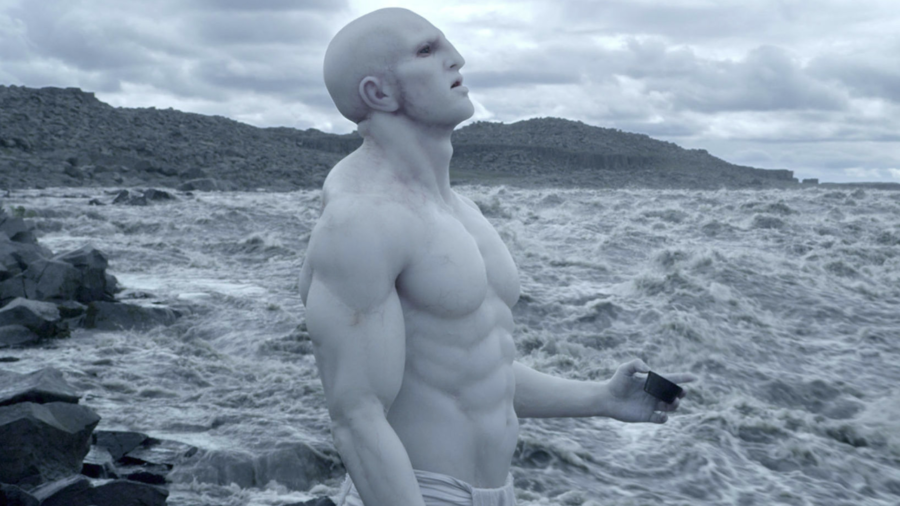
From Alien resurrection Very important. 20th Century Fox has been working hard to make new films, but has no developments in the past. Ridley Scott returns to his series from the movie that starts with the series I won't say anything, and you all can debate in the comments, it will be fifteen years. Alien: Covenant rule.
Nowadays, almost every alien Except for movies Alien resurrection Has received a bunch of re-evaluations and found overall fans alien loyal. Why not Alien resurrection? It's a surprising piece of physics, and the actual filmmaking is unique and dynamic for the franchise, and despite its tones between Glum and Goofy, it's excellent at these attempts on nails.
Unfortunately, when I write any videos of the view that seems to be saying that I am not on this view. I guess Alien resurrection Black Sheep as Black Sheep alien Franchise. Oh well, I will watch again at the twenty-two time, and I will never sit on the corpse, relying on the corpse's dependence, dependence, dependence slope Alien: romulus again.
I'm sure some of you want to tell me why Disney Alien: Journey Movie comparison Alien resurrectionso jump on the comment and prove that I was wrong. Anyone out there actually wants to stand with me Alien resurrection? Make sure to like the video and subscribe to the channel so I know I'm not alone. And continue to watch more at the giant Freakin robot.

People really don't like it alien Movie with Ron Perlman? I know nothing about this planet.


