North Korea said that according to the country's state media KCNA, the first highway bridge leads to Russia, a “important” milestone in relations between the two countries.
Construction of the bridge – which will span the Tumen River in the northeast of the country – began on Wednesday. It will be located next to the only other land connection between Russia and North Korea – a Soviet-era railway bridge called the “Friendship Bridge”.
According to the Russian Kommersant newspaper, the bridge will be completed by mid-2026.
It comes shortly after North Korea first confirmed that the force supported Russia in the war with Ukraine.
The new bridge is the latest sign of deepening ties between the two approved countries, which have been closer since Russia's full invasion of Ukraine in 2022.
The plan for the New Bridge was decided during a visit to Pyongyang last year by Russian President Vladimir Putin, where he signed an “integrated strategic partnership” agreement with North Korea, the highest bilateral relationship in Moscow.
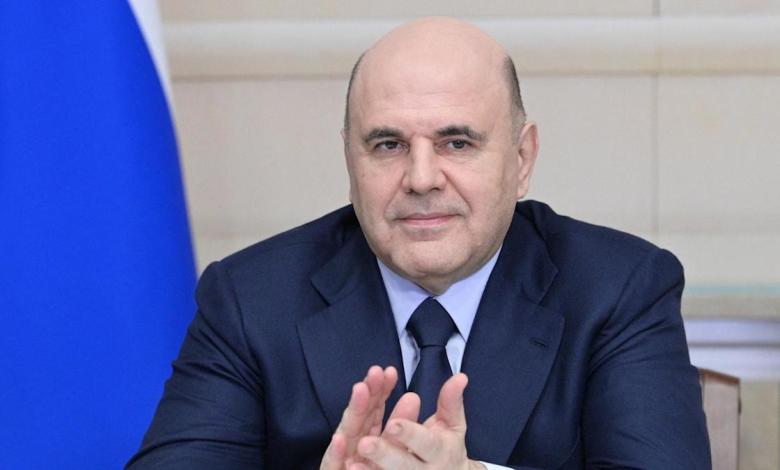
At a ceremony marking the bridge construction, Russian Prime Minister Mikhail Mishustin said the bridge “far beyond an engineering mission.”
He added: “This symbolizes our shared desire to strengthen friendship, good relations and increase inter-regional cooperation.”
The bridge began the same day, with South Korean lawmakers saying more than 600 North Korean troops were killed for their intelligence officials in the war with Ukraine.
In exchange for military support, Moscow appears to have provided technical assistance to Pyongyang on spy satellites, drones and air defense missiles.
Earlier this week, North Korea said its soldiers helped to “fully liberate” Russia's Kursk border area eight months after Ukraine's unexpected invasion.
Ukraine says some of its power is still in the Russian region.