Italy OKS Vatican plans to turn Roman stadium into a solar farm to meet Vatican City’s electricity needs

Rome (AP) – Italy agreed on the Vatican plan Thursday to transform 430 hectares (1,000 acres) of fields north of Rome into a huge solar farm that would generate enough electricity to meet the needs of the Vatican city and turn it into the world’s first carbon-independent country.
The Vatican diplomatic Archbishop Paul Gallagher signed an agreement with Italy’s ambassador to the Holy See. The Italian Parliament must approve the arrangement because the territory enjoys an extraterritorial status that must be extended.
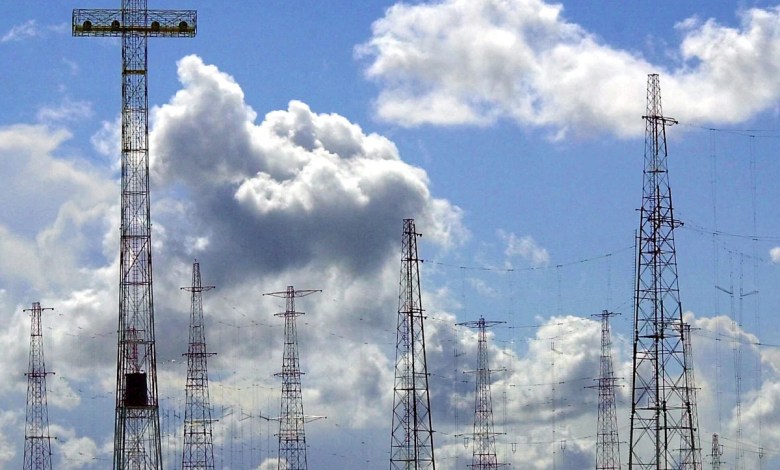
The ruins of Santa Maria Galeria have long been the source of controversy because the Vatican radio towers have emitted electromagnetic waves since the 1950s. About 35 kilometers (20 miles) north of Rome, once rural sites dominated by twenty-two short and medium-wave radio antennas that spread news from the Catholic Church in dozens of languages around the world.
Over the years, as the area grew, residents began complaining about health problems, including instances of childhood leukemia, which they blamed on electromagnetic waves generated by the tower. The Vatican denies any causal relationship, but reduces transmission.
Francis appointed Vatican last year to study developing the region into a sprawling solar farm, hoping to practice his preaching for the transition from fossil fuels and find clean, carbon-neutral energy sources.
Pope Leo Xiv visited the location in June and confirmed his intention to see Francis’ vision. Leo strongly adopts the ecological mantle of Francis, and recently uses a series of prayers and readings inspired by the environmental heritage of Pope Francis.
According to a Vatican statement, the agreement signed on Thursday that developments at the site will preserve agricultural use of the land and minimize the impact on the territory.
Vatican officials estimate that developing a solar farm will cost less than 100 million euros and can sign a contract for work once Italy is approved.
In the 1990s, at the height of the dispute, residents sued Vatican broadcasters, claiming that emissions exceeded Italian legal restrictions, but the court cleared the launcher. In 2012, the Vatican announced it would cut half of the time it would be transmitted from the site, not because of health issues, but because of money-saving technology advances in internet broadcasting.
___
The Associated Press’s religious coverage is supported through the Associated Press’s conversation with us and has been funded by Eli Lilly Endowment Inc. The Associated Press is fully responsible for this content.