

Jomarc Angelo M. Corpuz,,,,, Special features and content writers
A few years ago, when Philippine health care was destroyed by the coronavirus disease 2019 (COVID-19), a devastating reality check occurred. At that time, government agencies, local government departments (LGUs), and the private sector struggled to deal with severe patient emergence. Overload in hospitals and other healthcare facilities reveals long-standing problems such as insufficient infrastructure, lack of medical supplies and a severe lack of healthcare workers.
Despite these huge accidents, the pandemic has almost forced hospitals to expand and improve their facilities to manage the crisis more effectively and become more prepared in the long run. The collaborative efforts have prompted hospitals to focus on prevention and primary care and civic education, while private health care institutions handle cases requiring specialty.
Another aspect of Philippine health care has greatly improved digital transformation in the health system due to the pandemic. The crisis has accelerated the adoption of telehealth, electronic health records and online health consultations, annotated by many experts in the field and is key to closing the healthcare access gap, especially in areas such as telehealth platforms, mobile health applications and electronic health records.
“In a country like the Philippines, geography can make travel difficult. They allow patients to conduct remote consultations to help monitor chronic diseases and reduce the need to travel to underserved communities,” said Edison T. Dungo, director of information technology at the Doctors Hospital Manila (MDH). BusinessWorld.
Mr Dungo also stressed the importance of mobile health apps as they can help Filipinos track vital signs, manage their medications and get personalized health tips from their phones.
Similarly, he believes that electronic medical records (EMRS) improve care by enabling coordination among healthcare providers, reducing errors, avoiding repeated testing and supporting better clinical decisions.
Even with these benefits and the practicality of the technology, some huge challenges have hindered many healthcare institutions from accessing it. Jaime Z. Galvez Tan, former health minister and current chairman of the Health Futures Foundation, revealed that connectivity in faraway areas remains one of the biggest obstacles to fully integrating digital health solutions in the country.
“Of course, the question is again whether the internet connection exists, and then, once you get there, it is also the cost of the internet. [the local government] Payment will be possible at this time. We talk about this because we work closely with LGU in the area where we work. ” said Mr. Galvez Tan.
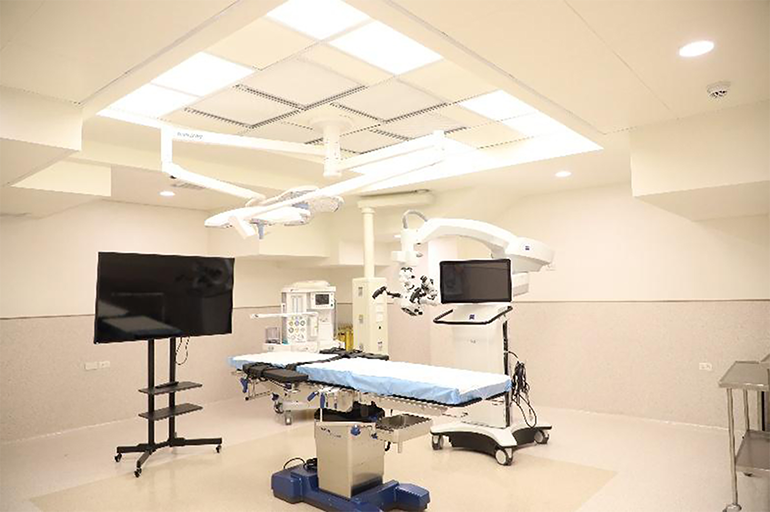
As Mr. Dungo pointed out, despite the huge promise of digital tools, several barriers, including connectivity, continue to hinder full awareness of their potential in the Philippine healthcare system. He revealed that many rural or remote places do not have strong internet, making it difficult to use telemedicine or online health tools. Additionally, some patients don’t even need to use the smartphone, tablet or computer they need to use these digital health services first.
Apart from that, Mr. Dungo emphasized digital skills and was willing to adapt to certain obstacles to these technologies. He mentioned that older people and others may find it difficult to use health apps or join online consultations. He continued that healthcare providers are also not sure about using new technologies, as this may affect their usual work practices. Another major challenge Mr. Dungo lamented is the lack of system interoperability. Many hospitals and clinics use their own electronic medical record systems, which usually operate in isolation and are not intended to communicate with each other. Furthermore, the lack of a common format or standardized protocol for storing and exchanging information further complicates efforts to create an integrated healthcare system.
In view of these ongoing challenges, Mr. Galves Tan believes that government intervention is crucial to ensuring truly accessible and sustainable digital health across the country. He stressed the need for public support in establishing the necessary infrastructure and improving connectivity and subsidizing the initial cost of implementing these systems.
“About today, the government does have to subsidize the cost of installing this equipment and may place rural communities in an expanded payment system that increases over time. Over time, they will increase over time, and there will also be a need for livelihood activities in the community, so they will be able to pay.”
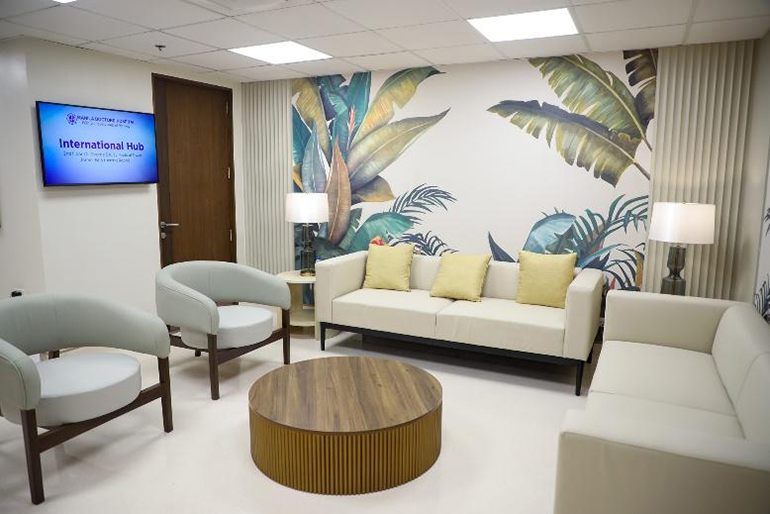
To address these challenges, Mr. Dungo noted that MDH has begun to adopt innovative digital platforms such as Arcus Air to simplify operations, standardize care and bridge the communication and data management gaps across departments.
By using Arcus Air (Application for Hospitals), we ensure consistent and standardized patient care across all departments. The platform can accurately and effectively encode patient information, whether providing care on site or remotely. Through centralized data entry and management, Arcus Air Air promotes seamless communication among healthcare providers to maximize the patient’s model and enhance his overall model, and can continue both overall and continually, and can continue both overall and continually.
The shift to digital innovation in a major hospital in the country did not happen overnight. MDH has begun laying foundation engineering in the months leading up to the pandemic, investing in critical infrastructure upgrades that have since proven crucial to supporting advanced technologies such as Arcus Air.
“MDH was not originally built to support emerging technologies. However, within six months before the Covid-19-19 pandemic, MDH migrated its email platform, upgraded its internet bandwidth, installed enterprise-wide access points, enabled structural cables, and established robust IT-type treatment options for conference and remote office visits,” Mr. Dungo said.

Since then, MDH has continued to strengthen its digital infrastructure. The hospital recently completed its traditional system migration to a fully integrated hospital information system (HIS), converting paper-based records into digital formats. Additionally, MDH significantly improves its cybersecurity posture and continues to invest in digital healthcare innovations to ensure resilience and readiness to future healthcare challenges.
The MDH’s transformation is a compelling example of what can happen when you are in the face of a crisis, vision, investment and ready. While the road to the Philippines’ fully modern and inclusive Filipino healthcare system remains long, the pandemic has undeniably accelerated critical reforms and brought the country closer to a future where not only access to quality healthcare, but it is truly fair for all Filipinos.
This article is the latest issue of World of Business in-depth, exploring pressing challenges and emerging opportunities in Philippine healthcare. By Subscribe to Bworldx www.bworld-x.com.
Spotlight is a sponsored part of BusinessWorld, which allows advertisers to expand their brand and connect with BusinessWorld’s audience by posting stories on business world sites. For more information, email us to inline@bworldonline.com.
Join our Viber for more updates, and subscribe to the title of BusinessWorld and get exclusive content via www.bworld-x.com.


