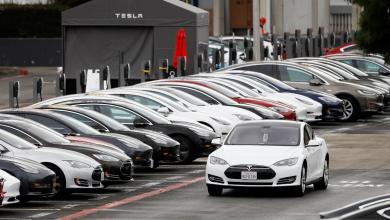
Tesla’s struggle continues, as the company reports another trend in vehicle delivery, deepening its image problems, especially in Europe, are seriously affecting consumer demand.
In the second quarter of 2025, the electric vehicle giant delivered 443,956 vehicles, a 13.5% drop from the same period in 2024. Delivery is Tesla’s main sales metric and has received close attention from investors and analysts. Almost all of these delivery (97.3%) are two of the company’s most popular models: the Model 3 and the Model Y.
Wall Street is expected to drop by about 10%, so the final figure is worse than expected.
The decline highlights the lasting impact of Elon Musk’s political shift. Tesla, once a darling of eco-conscious and tech-savvy progressives, has alienated part of its original customer base. The shift became even more apparent after Musk played a high-profile role in the Trump administration, which is responsible for the Department of Government Efficiency (DOGE), which cuts federal spending. Under Musk, Doge is notorious for cutting budgets and doesn’t have to worry about what these plans do.
Musk’s voice support for far-right parties in Britain and Germany has also alienated European buyers, many of whom see Tesla as a climate-conscious status symbol. This rebound is particularly strong in Germany, the company’s main market.
In addition to political influence, Tesla faces increasingly radical competition from Chinese automakers and domestic competitors, including Ford, General Motors and Rivian.
Despite the decline in delivery, Tesla actually produced more vehicles this quarter, building 410,244, which is actually flat compared to the same quarter last year. This implies that potential demand may not collapse, otherwise Tesla’s betting demand will recover soon.
Longtime Tesla Bull Wedbush analyst Dan Ives has made optimistic attention.
Ives said on X (formerly Twitter) that the numbers were “better than worrying”, citing a rebound in China and an interest in refreshing model Y. “Take a step forward.”
Tesla announced its 2Q delivery number this morning, which is 384,000 units away, far exceeding the 365k vehicle on the street whispering, which is better than the company’s success in the quarterly Y-type refresh cycle. China rebounded. A big step forward🔥🏆🐂
— Dan Ives (@divestech) July 2, 2025
Part of the bullish case is the looming federal $7,500 EV tax credit, a key clause in President Trump’s “a big bill.” The Senate version of the bill will end in September this year before the initial calendar. Analysts believe this could trigger last-minute purchases, thereby gaining consumers from hopes to get credit before they disappear.
Despite this, Musk is still underlining the role of the vehicle in Tesla’s long-term future. In recent public comments, he stressed that Tesla is developing into an artificial intelligence, robotics and software company. He noted that Tesla’s long-term extended autonomous driving software and Optimus Prime (FSD) of the humanoid robot being developed is the company’s next big revenue driver.
But so far, the results have been mixed together.
Tesla’s highly regarded Robotaxi service launched in Austin last month is limited to a handful of loyal super fans and requires human supervisors in passenger seats. The next day, videos of rides were circulated on social media and quickly became a feed for ridicule and skepticism.
For now, the future Musk envisions (Tesla powered by artificial intelligence and robots) remain: a vision. The company’s core business (selling cars) is still dealing with the consequences of the CEO, which insists on mixing politics with products.